Measles On the Rise

July 2, 2024

This is a subtitle for your new post

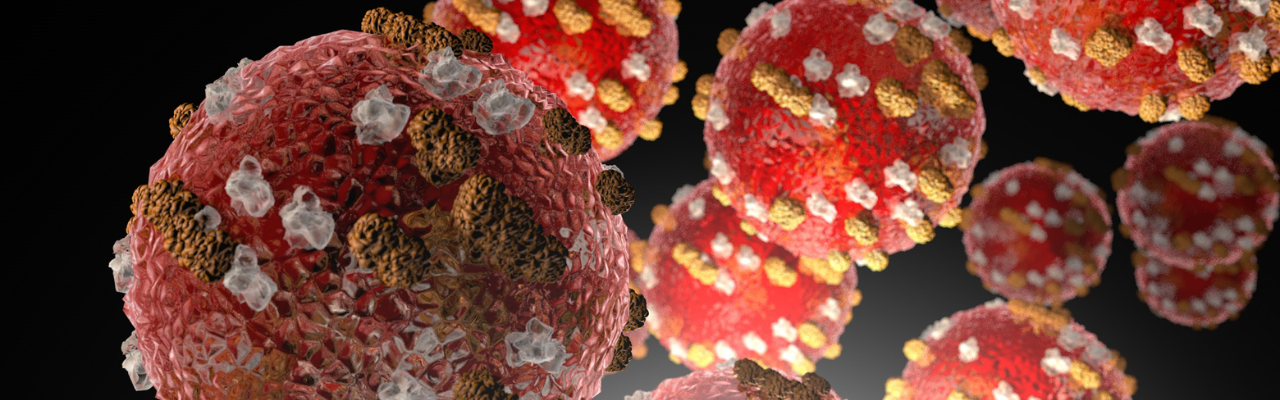
Micro view of measles cells

Measles, a highly contagious viral infection, is staging a comeback worldwide. According to the World Health Organization (WHO), in 2023, there were over 300,000 cases reported globally. Alarming trends continue into 2024, with early data suggesting that this year's total may match or exceed the previous year's count.

Symptoms

High Fever

Cough

Runny Nose

Red, Watery Eyes

Rash Beginning 3-5 Days After Symptoms Begin

Measles symptoms can often be mistaken for a common cold prior to the onset of the telltale measles rash.

Risks & Complications

Pneumonia, encephalitis, and even death can result, especially in vulnerable populations.

1 or 2 out of every 1,000 people with measles will die, even with the best care.

Prevention is Key

Measles is HIGHLY CONTAGIOUS and spreads through the air when an infected person coughs or sneezes. It's possible that 9 out of 10 people of all ages around them will become infected if they are not protected.

Vaccination: The MMR vaccine remains the most effective preventive measure against Measles.

Community Protection: By vaccinating, we protect not only ourselves, but also those who cannot receive the vaccine due to health conditions.

Stay informed, prioritize vaccination, and let's curb the resurgence of this preventable disease together. Reach out to your primary health provider today to discuss the measles vaccine.

**Disclaimer: Always consult a healthcare professional for personalized advice.

By Andrew Barter June 16, 2026
Celebrating One Year of Dental Care
By Andrew Barter May 27, 2026
This is a subtitle for your new post
By Andrew Barter May 20, 2026
Taking Aim at High Blood Pressure: Little Rivers Joins Target: BP™ Little Rivers Health Care is proud to announce our participation in Target: BP™ a national initiative led by the American Heart Association (AHA) and the American Medical Association (AMA) dedicated to reducing heart attacks and strokes by improving blood pressure control. Nearly half of adults in the United States have high blood pressure, and many don’t even know it. Left unmanaged, high blood pressure quietly increases the risk of heart attack, stroke, kidney failure, and more. At Little Rivers, we believe that with the right tools, education, and support, our patients can take control of their heart health — right here in our community. ~47% 130/80mm Hg 11 mmHg of U.S. adults have threshold for Stage 1 hypertension potential reduction high blood pressure with the DASH eating plan What Target: BP™ Means for You Through this partnership, your Little Rivers care team has access to the latest evidence-based resources to better diagnose, treat, and help you manage hypertension. The program is built around the MAP framework — Measure accurately, Act rapidly, and Partner with patients — because we know that the best outcomes happen when we work together. That partnership looks like collaborative goal-setting, clear communication (we’ll always ask you to repeat back instructions in your own words to make sure everything is clear), and a judgment-free space to talk honestly about what’s making blood pressure management hard for you. What You Can Do at Home Managing blood pressure isn’t only about medication. Small, consistent lifestyle changes can make a meaningful difference: • Get moving: Aim for 90–150 minutes of moderate activity per week — brisk walks count. • Reduce sodium: Less than 1,500 mg per day is the goal. Even cutting 1,000 mg helps. • Eat the DASH way: Fruits, vegetables, whole grains, and low-fat dairy — and less red meat. • Manage your weight: Even a 5% weight loss can lower your blood pressure noticeably. • Take medications as prescribed: Take them as directed and never stop without talking to your provider first. • Monitor at home: Two readings in the morning and evening, for seven days, gives your care team the clearest picture. How to take an accurate home reading Avoid caffeine, smoking, and exercise for 30 minutes beforehand. Sit with your back supported, feet flat, arm at heart level — cuff on bare skin above the elbow. Rest 5 minutes before measuring. Take two or three readings one minute apart, and record them. If you’re on blood pressure medication, measure before you take your dose. How Little Rivers Supports You We’re committed to removing barriers that make managing your health difficult. Here’s what we offer: 1. Blood pressure loaner cuff program: Monitor your blood pressure at home with a loaner device and personalized 7-day log — ask your care team to get started. 2. Appointment preparation guide: Arrive ready to discuss your medications, goals, and any obstacles. No question is too small. 3. The Food Farmacy: Our program connecting patients to fresh, affordable produce and nutrition support right in our community. Eating well is one of the most powerful tools for blood pressure control, and we want to make it accessible to everyone. Learn more at littlerivers.org/the-food-farmacy. 4. Ongoing education: AHA- and AMA-backed fact sheets and resources so you always understand your numbers and your options. Ready to take the next step? Talk to your Little Rivers care team at your next appointment, or visit littlerivers.org/the-food-farmacy to learn more about the Food Farmacy and our heart health programs.